
Does the loop hold at hour twenty?
Novelty carries a game through its opening. We look for the moment repetition sets in and ask whether the design has an answer ready — new verbs, new pressure, or a genuine change of pace.

Pixel Verdict Lab is a small review desk built around one rule: no score goes live until the credits roll or the loop stops surprising us. That takes longer. It also means the verdict still holds up three patches later.
Most of the games we cover only reveal their real shape late. A crafting economy that feels generous in the tutorial becomes a grind by the second region. A shooter with brilliant recoil runs out of enemy types by the halfway mark. Those turns are exactly the part a reader needs before spending money.
So every review here starts with a play log. We record hours, difficulty settings, hardware, patch version, and the point at which the game either clicked or came apart. When the write-up is finished, that log ships with it.

They sound obvious. Almost nothing survives all three cleanly, which is precisely why they are useful as a filter.
Novelty carries a game through its opening. We look for the moment repetition sets in and ask whether the design has an answer ready — new verbs, new pressure, or a genuine change of pace.
We test on a mid-range six-year-old desktop as well as a current build. A game that only behaves on expensive parts gets that stated plainly in the verdict, with the settings we had to drop.
There is a difference between a hard game and a badly explained one. We separate deliberate difficulty from broken tutorials, hidden systems, and menus that hide the information you need.
Each card shows the score, the genre, and the hours logged before we wrote a word. The full play log sits at the top of every review.
 Open world
8.6
Open world
8.6
No quest markers, no compass clutter, and a map that rewards reading the landscape instead of the UI. The middle chapters sag, but the ending earns the walk.
 Racing
7.4
Racing
7.4
Twenty minutes in, the drift model feels superb. Twenty hours in, you have seen every track twice and the career mode is still asking for the same three golds.
 Simulation
9.0
Simulation
9.0
Crops are the excuse. The real design is a year-long rhythm of festivals, weather and neighbours, and it is paced with unusual patience for the genre.
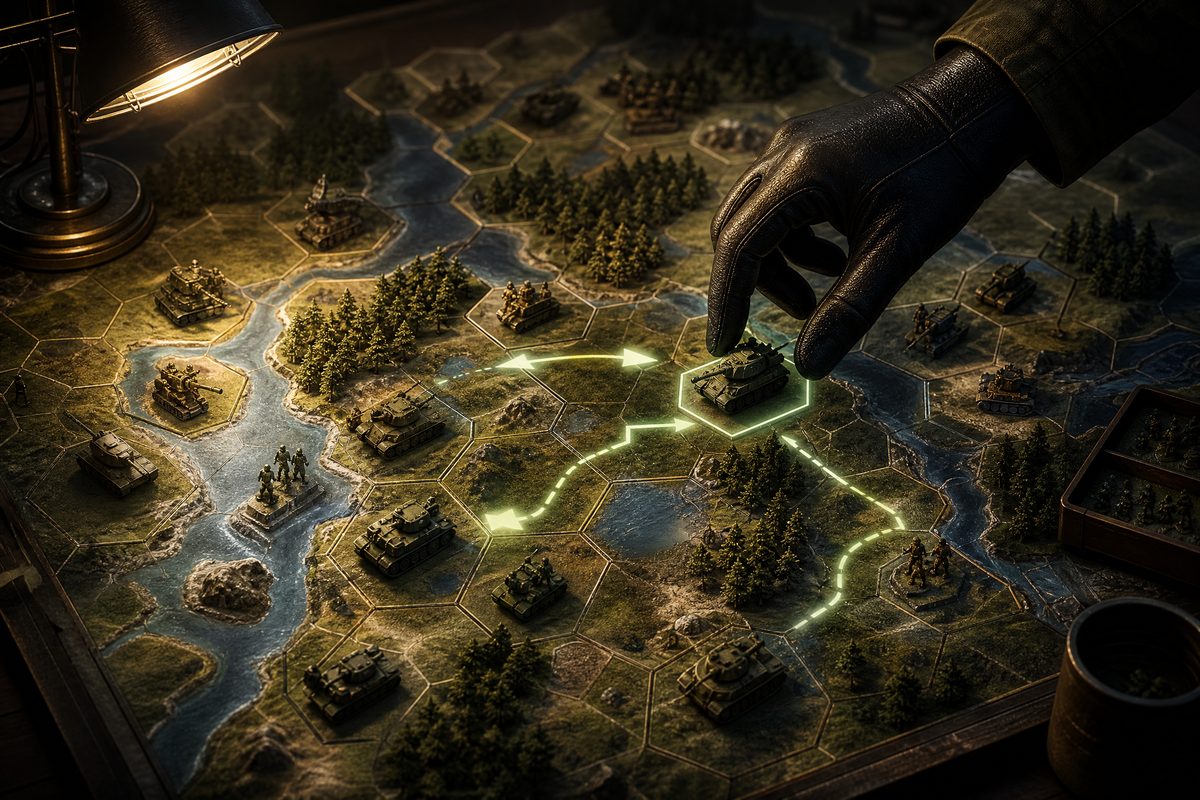 Tactics
8.1
Tactics
8.1
Once the supply rules land, the turn-by-turn tension is excellent. Getting there takes four hours of guesswork the game should have handled itself.
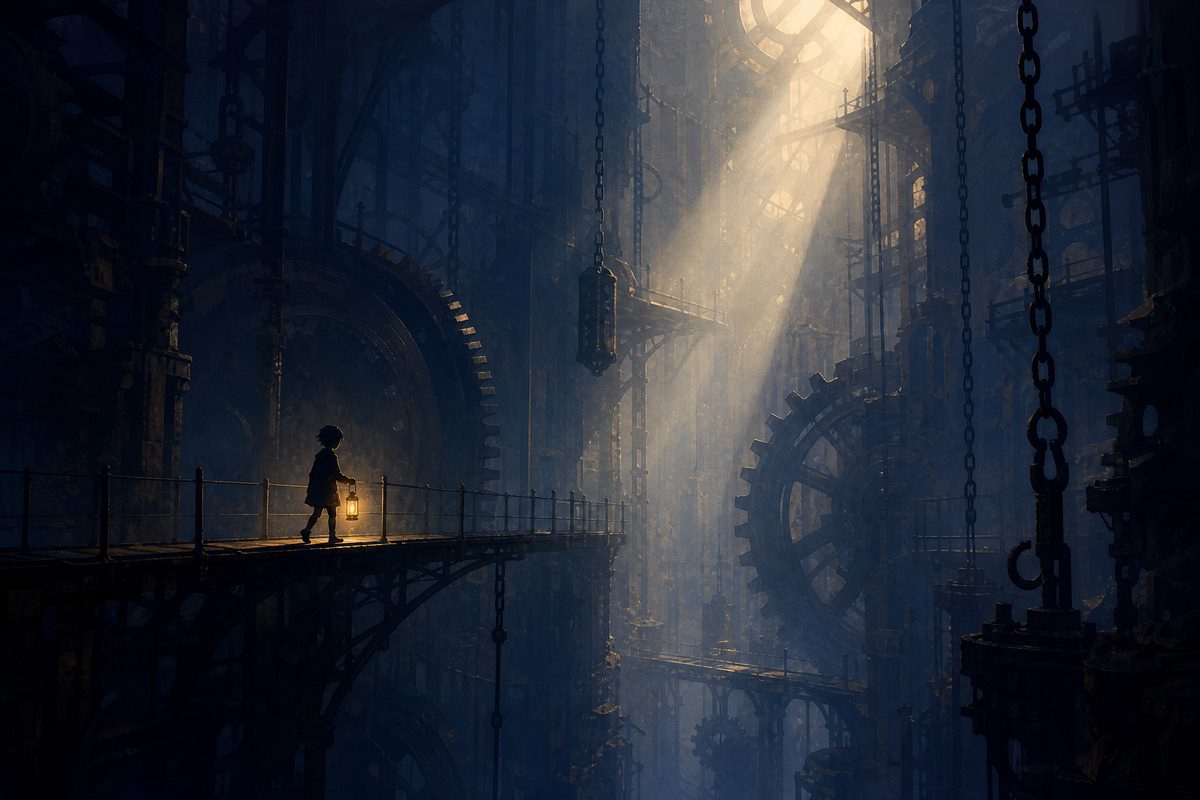 Puzzle
8.8
Puzzle
8.8
Six hours, no dialogue, no tutorial text, and not one puzzle where we felt cheated. The final act reuses an early mechanic in a way we did not see coming.
 Base building
7.9
Base building
7.9
The oxygen bar is a distraction. What is actually good here is the conveyor maths, and the late-game colony layouts you build to keep it honest.
A seven is not a failure and a nine is not a coronation. We publish the full scale so you can translate any verdict on this site into a buying decision instead of a mood.
★★★★★I stopped reading launch-day reviews years ago because they never mentioned the hour-thirty wall. Yours are the only ones that describe the part of a game where I actually decide whether to keep playing.
★★★★★The hardware notes saved me from a refund. You said the shader compilation stutter never really clears on an older card and you were exactly right, so I waited two patches and had a great time.